

Environmental, Economic, and Cultural Impacts
Emerald Ash Borer affects much more than just ash trees. The spread of this invasive beetle creates environmental, economic, and cultural challenges for communities across North America.

🌲 Environmental Impacts
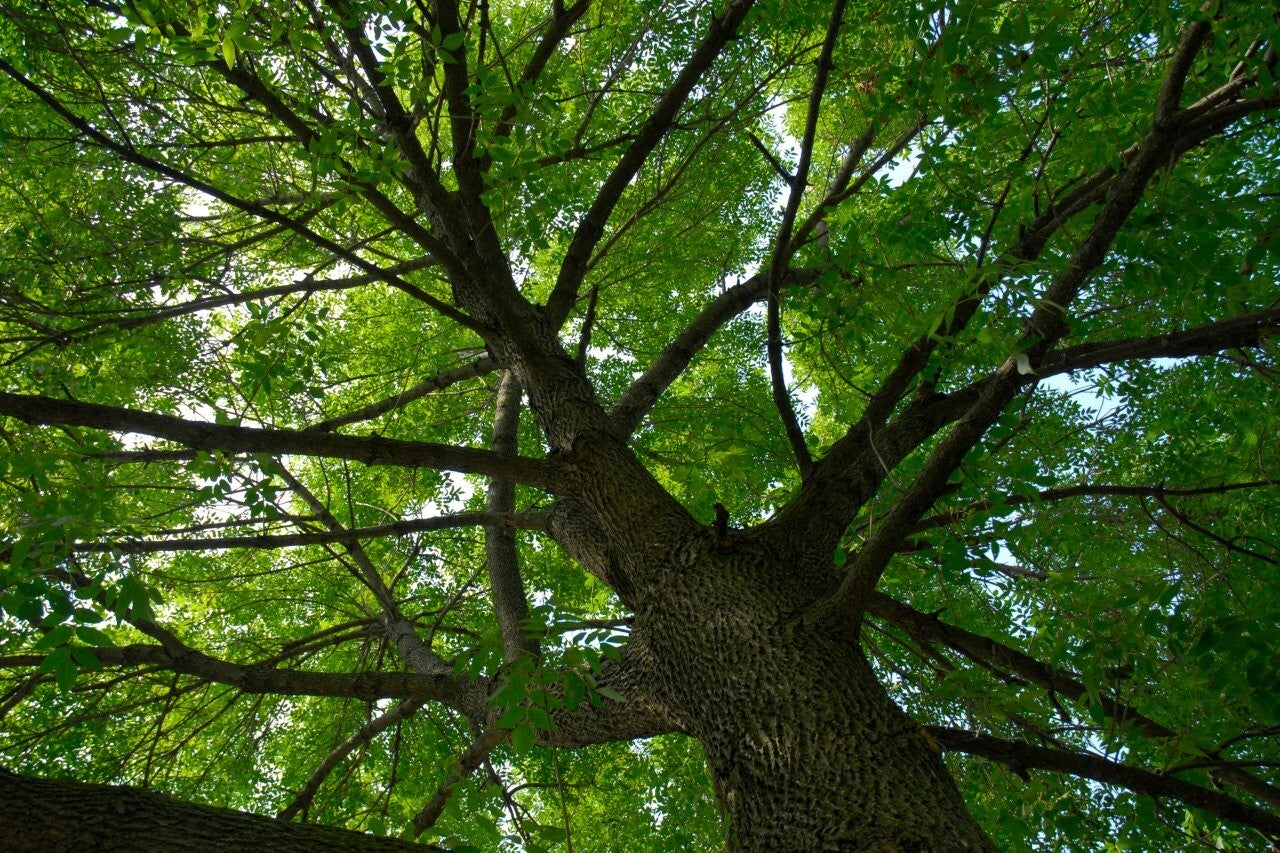
• Loss of ash trees reduces biodiversity.
• Wildlife loses important food sources and habitat.
• Forest ecosystems become less healthy and less resilient.
• Tree loss can increase soil erosion and change ecosystem functions.
• The decline of ash trees can affect other plant and animal species that depend on healthy forests.
💰 Economic Impacts
Emerald Ash Borer creates major economic costs for communities and industries.
• Homeowners often pay expensive tree removal and replacement costs.
• Local governments spend large amounts of money removing dead trees from parks, roadsides, and public spaces.
• Monitoring and management programs require ongoing funding.
• The hardwood timber industry experiences losses because fewer healthy ash trees are available for commercial use.
• Property values may decrease when large numbers of trees are lost.
🧺 Cultural Impacts
Ash trees have important cultural value, especially for many Indigenous communities.
• Black ash trees are traditionally used for basket making.
• Ash trees support cultural practices that have been passed down through generations.
• The loss of black ash trees threatens traditional knowledge and cultural heritage.
• Communities may lose access to important natural resources used in cultural activities.
Who Is Affected?
The impacts of Emerald Ash Borer extend to many different stakeholder groups. Understanding these impacts helps explain why early detection and prevention are so important.
Homeowners
Dead ash trees can become safety hazards and are often expensive to remove and replace.

Farmers
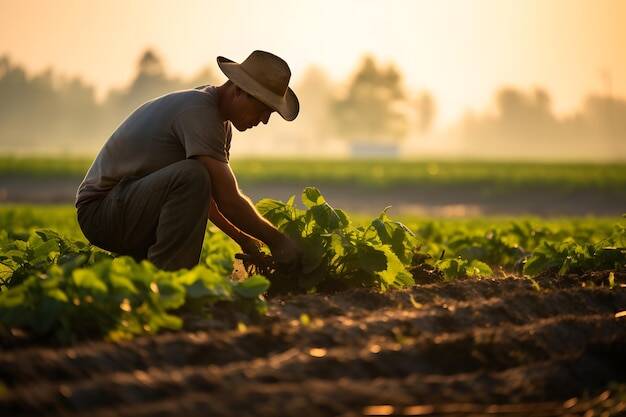
The loss of trees can reduce wind protection and affect local ecosystems that support agriculture.
Wildlife
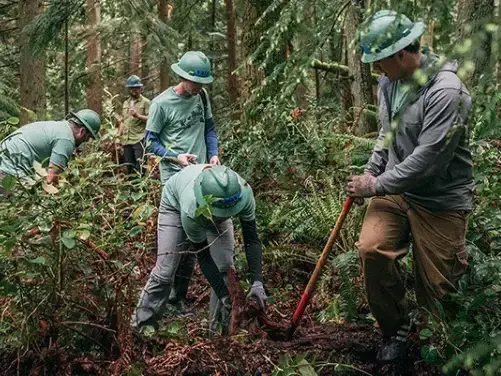
Many birds, insects, and animals depend on healthy forests for food and shelter.

Indigenous Communities
Black ash trees are culturally important for traditional basket making and other cultural practices.

Local Governments
Local governments spend significant amounts of money removing dead ash trees, maintaining public spaces, and managing Emerald Ash Borer infestations. They are responsible for protecting public safety and maintaining healthy urban forests.
Hardwood Timber Industry
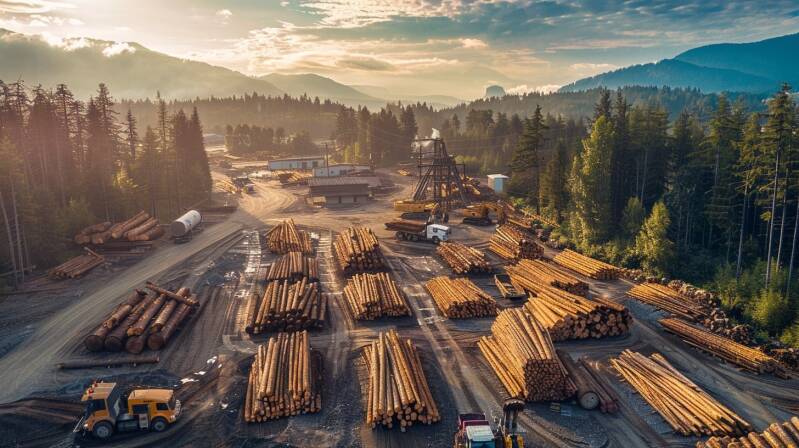
The hardwood timber industry experiences economic losses because fewer healthy ash trees are available for commercial use. Long-term infestations can reduce timber value and affect businesses that depend on forest resources.
Why Action Is Needed
If Emerald Ash Borer continues to spread, more ash trees will die, biodiversity will decline, management costs will increase, and important cultural resources may be lost. Early detection, public education, community reporting, and cooperation between agencies can help reduce these impacts and protect healthy ash tree populations.
Sources
USDA APHIS. (2025). Emerald Ash Borer Program Manual.
USDA APHIS. (2026). Emerald Ash Borer.
U.S. Forest Service. (2024). Emerald Ash Borer Information.
Minnesota Department of Natural Resources. (2025). Emerald Ash Borer.
Michigan State University Extension. (2024). Emerald Ash Borer Resources.
Create Your Own Website With Webador