

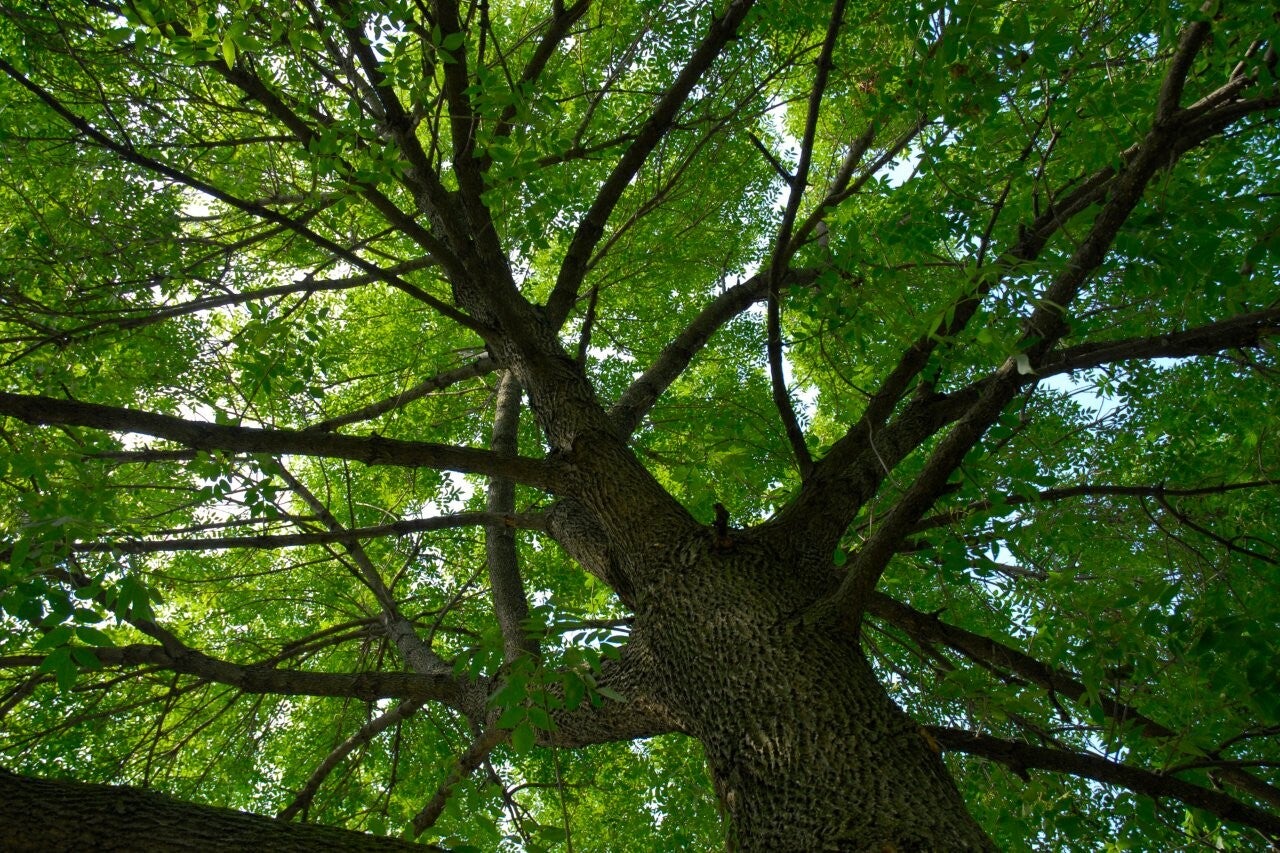
Emerald Ash Borer Early Detection and Public Awareness Initiative
Our proposed intervention aims to reduce the spread and long-term impacts of Emerald Ash Borer through early detection, public education, community reporting, and cooperation between agencies and communities. By taking action now, we can help protect ash trees, wildlife, and local communities.
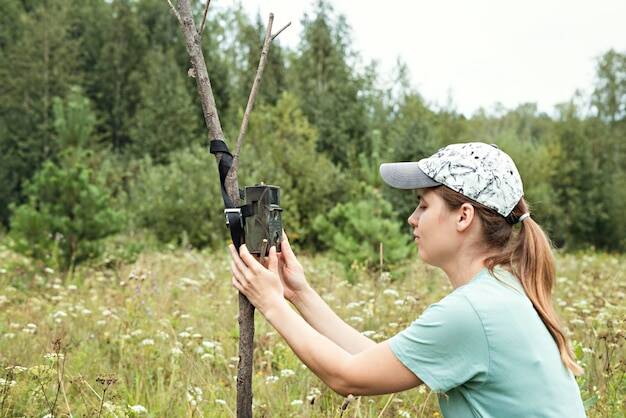
Early Detection
Early detection helps identify Emerald Ash Borer infestations before they become widespread.
Our initiative proposes:
• Monitoring traps in high-risk areas
• Regular inspections of ash trees
• Community reporting systems
• Improved tracking of infestations
Why it matters:
Early detection improves response efforts and reduces long-term management costs.
Public Education
Many people unknowingly spread Emerald Ash Borer by moving firewood.
Our initiative will:
• Create educational websites and flyers
• Increase public awareness campaigns
• Provide information about Emerald Ash Borer identification
• Teach responsible firewood practices
Goal:
Help community members recognize and prevent the spread of Emerald Ash Borer.
Community Reporting
Community involvement plays an important role in early detection.
Residents can:
• Report suspected infestations
• Share information with neighbors
• Participate in local outreach efforts
• Support conservation activities


Cooperation Between Agencies
Managing Emerald Ash Borer requires cooperation among many groups.
Key partners include:
• USDA APHIS
• U.S. Forest Service
• State Forestry Agencies
• Tribal Governments
• Researchers and Universities
• Local Communities
Working together improves communication and helps coordinate management efforts.
Preservation and Restoration
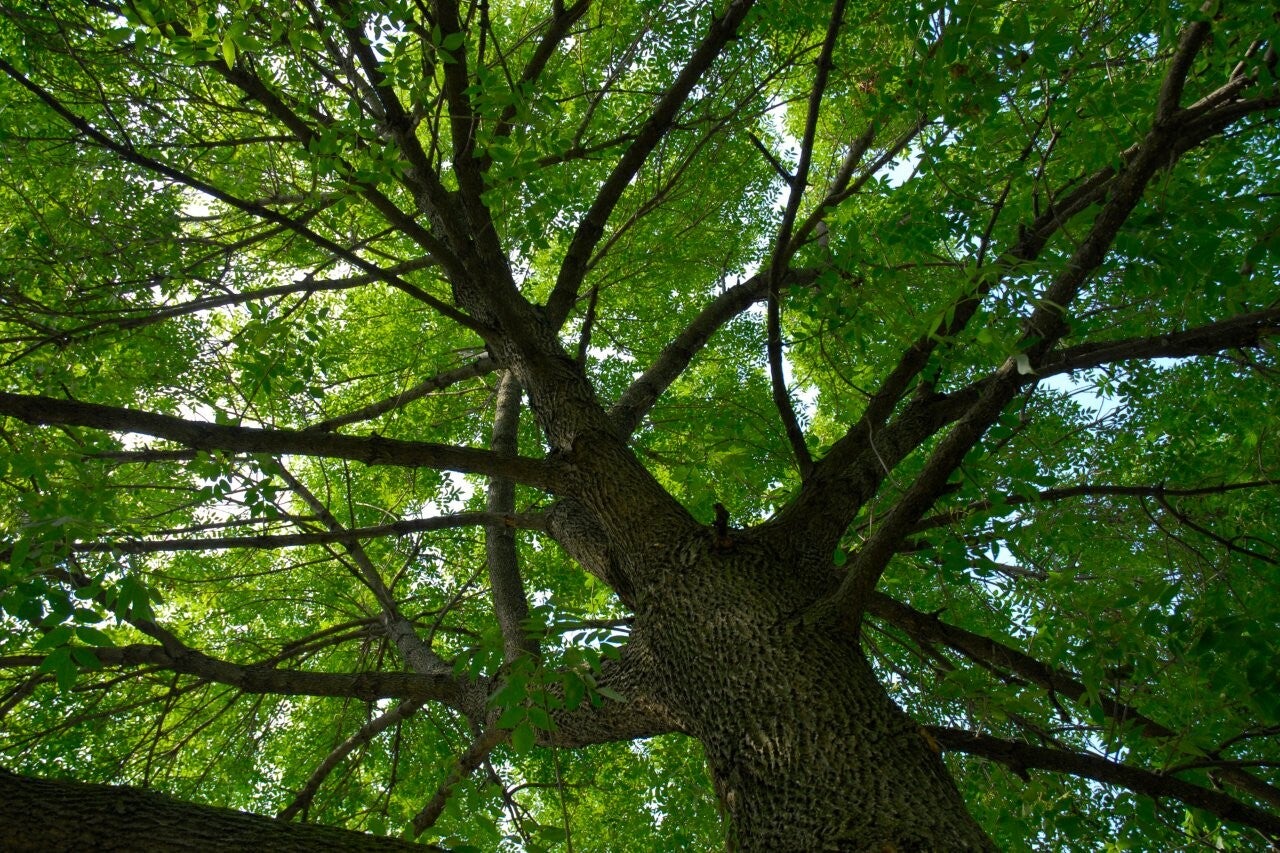
Protecting healthy ash trees is an important part of our initiative.
Our goals include:
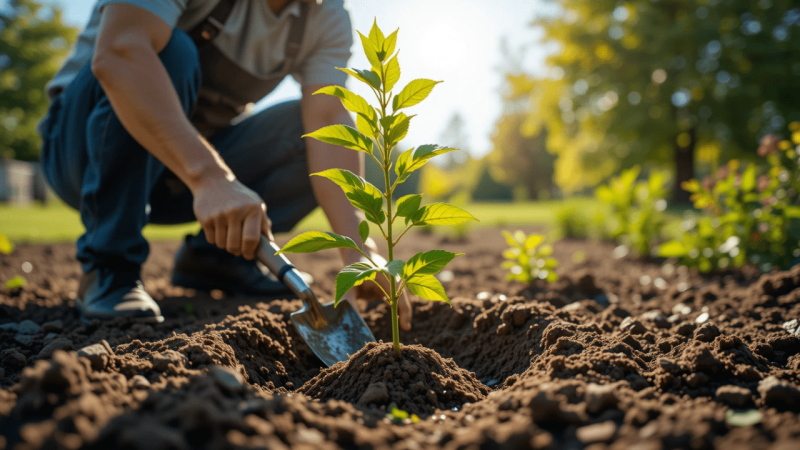
• Preserving healthy ash tree populations
• Supporting tree restoration projects
• Protecting wildlife habitat
• Maintaining biodiversity and ecosystem health

How Will We Measure Success?
We will know our initiative is successful when:
• More infestations are detected early
• Public awareness increases
• More reports are submitted by community members
• Agencies communicate more effectively
• The spread of Emerald Ash Borer slows over time
• More ash trees survive in monitored areas
Sources
USDA APHIS (2025)
USDA APHIS (2026)
U.S. Forest Service (2024)
Minnesota Department of Natural Resources (2025)
Michigan State University Extension (2024)
Create Your Own Website With Webador